Free UK delivery on orders over £150
Products
Pneumatic, electric, hydraulic and manual actuators to open, close and position your valves, plus limit switch boxes to report where they are. One UK supplier for the whole automation package.

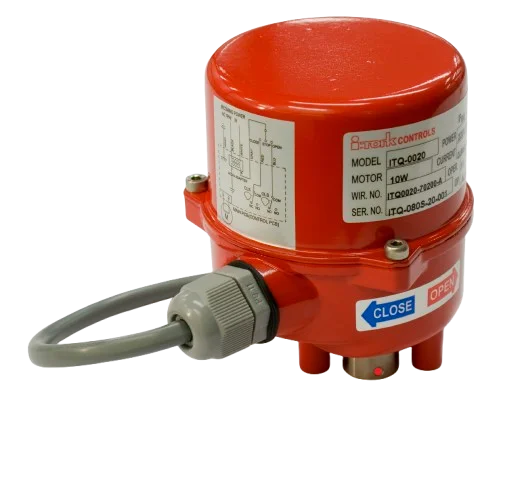
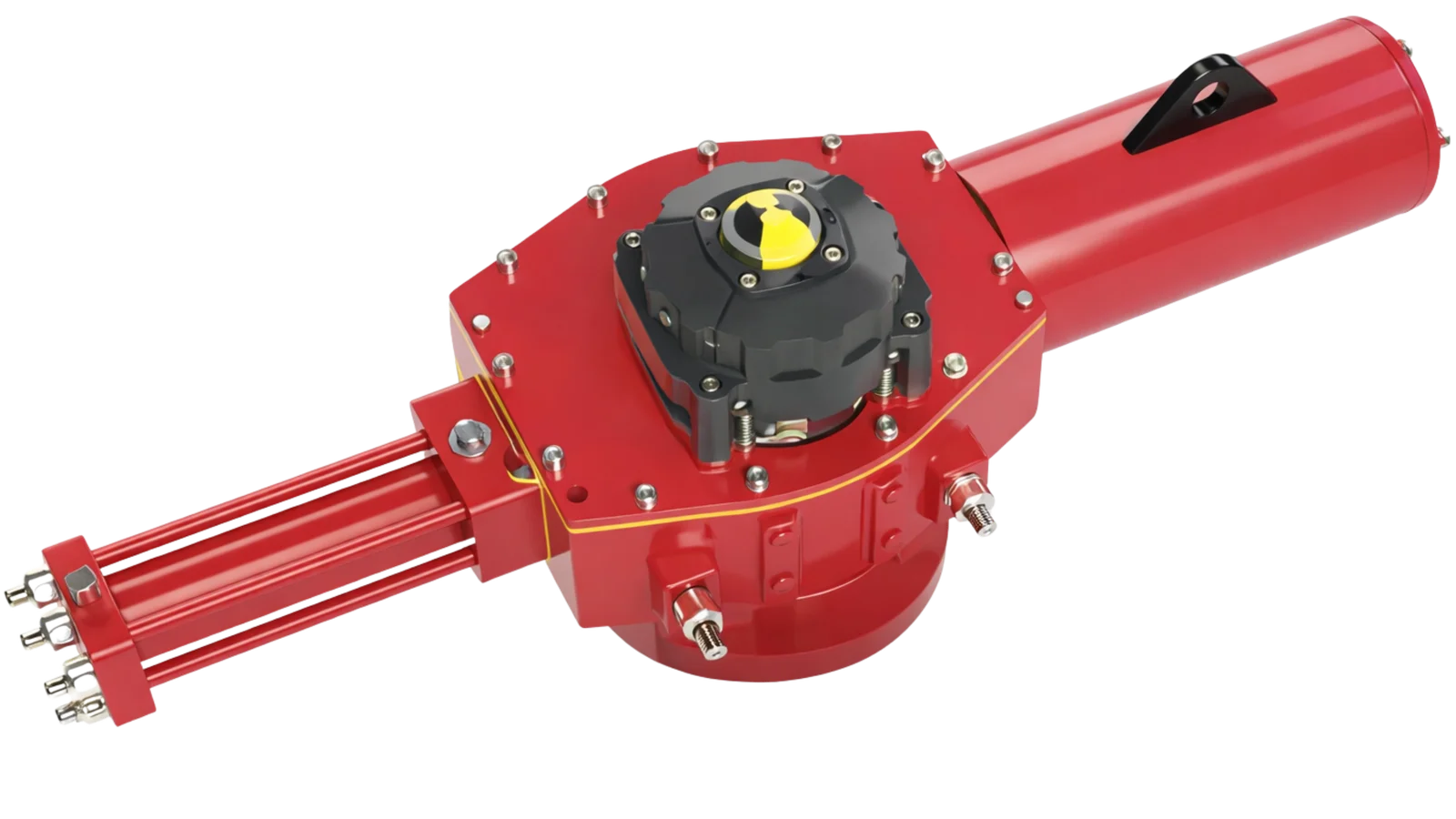
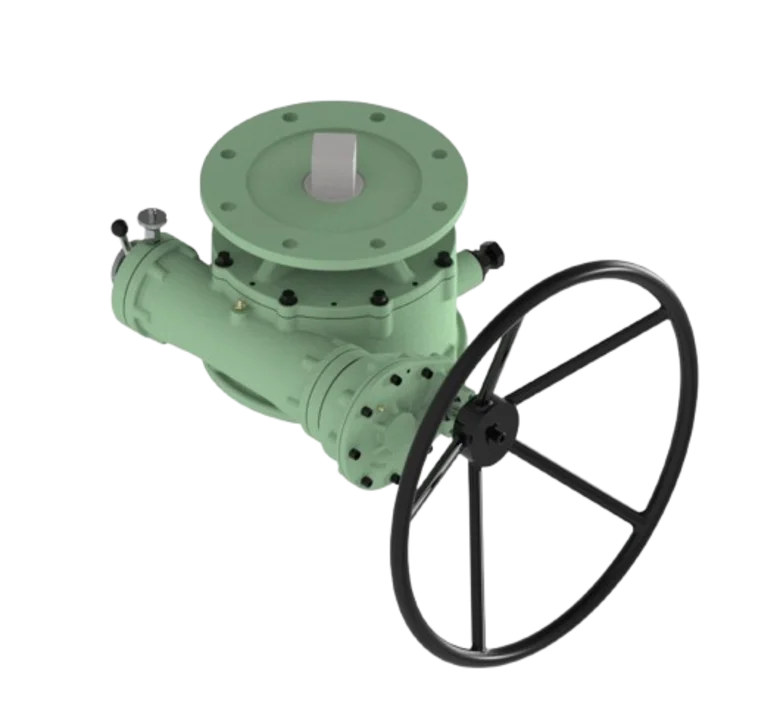
Pneumatic, electric, hydraulic, mechanical, accessories
Highest output torque (HD scotch yoke)
Standard mounting on quarter-turn actuators


How it works
An actuator replaces the hand on the valve. It mounts on the valve’s top flange and turns the stem: a quarter turn for ball, butterfly and plug valves, many turns for gate and globe valves. Air, electricity or hydraulic power drives it; a spring can return it to a safe position if the supply fails. Valvenok supplies pneumatic, electric, hydraulic and manual actuators, plus the limit switches that report their position.
Actuator families · hover or tap to switch
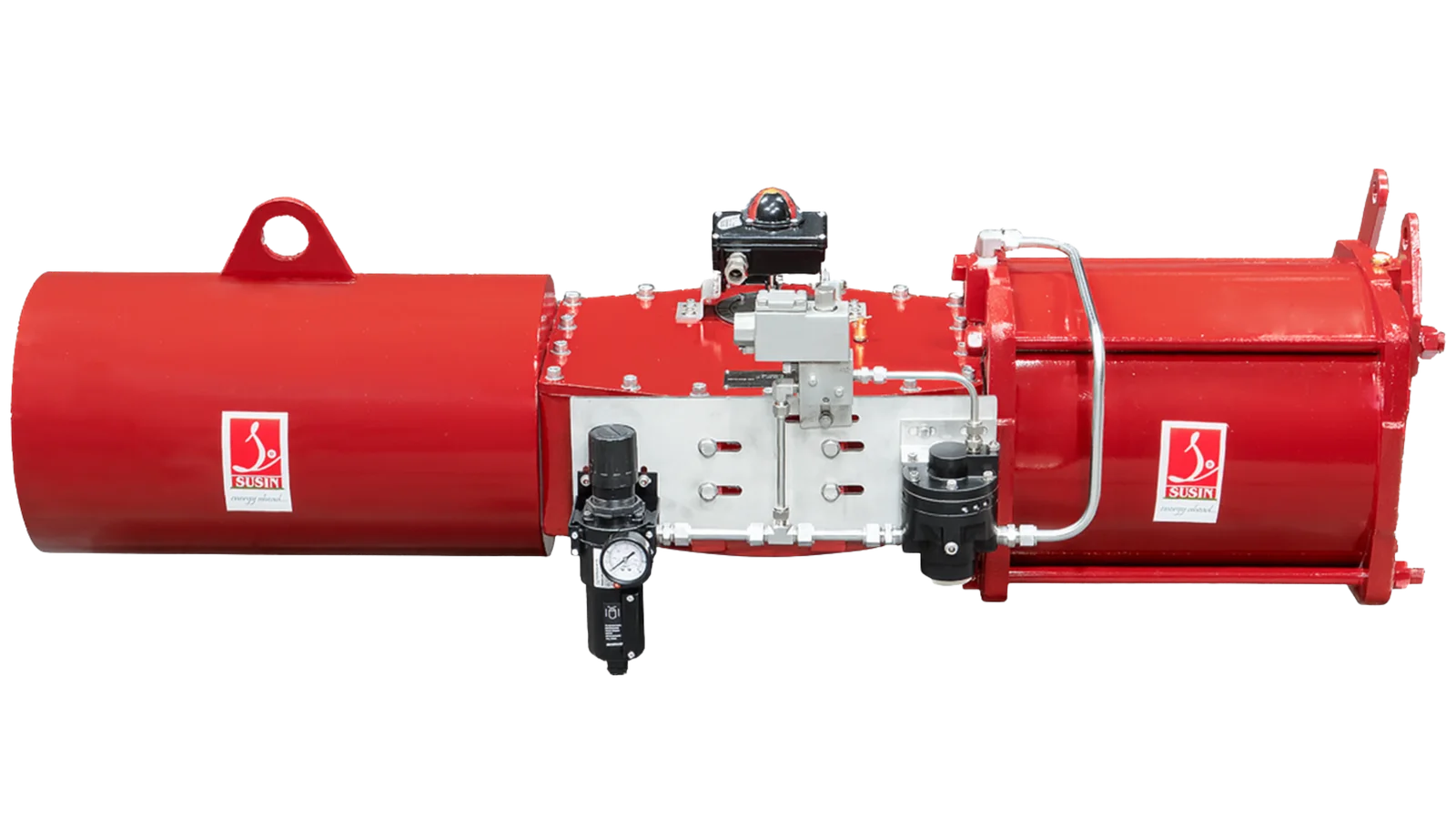
Scotch yoke actuators for quarter-turn valves, plus linear actuators. Double acting or spring return for a fail-safe position, ISO 5211 mounting.
Up to 120,867 NmOur categories
Pick a category to see its series, sizes and models, with a quote on each.
Buying from Valvenok
ISO 5211 and NAMUR interfaces, with brackets and couplings for the rest.
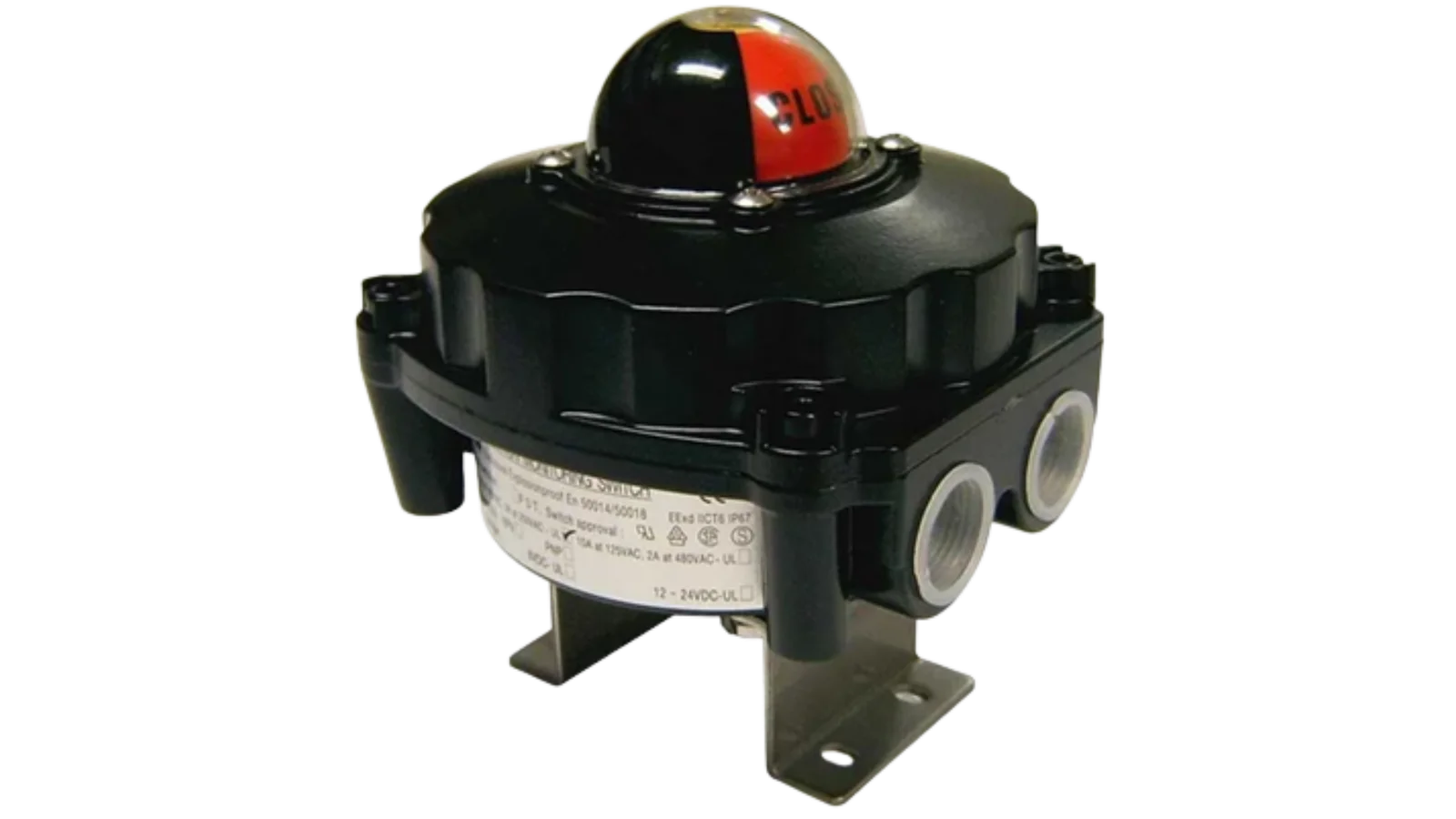
Limit switch boxes, solenoid valves, positioners and manual overrides.
Air, electric, electro-hydraulic or manual, so the choice follows the site, not the catalogue.
Send the valve and its torque and we’ll size the actuator with a safety factor.
Output torque by category, 10 to 120,867 Nm (log scale). Ratings vary by model.
Quick selector
Choose what matters most at the valve and we’ll point you to the right category.
Start with
Pneumatic actuators: simple, fast and economical on quarter-turn valves
Go to pneumatic actuatorsBefore you order
Check these six points before you order. If you’re unsure, send us the valve details and we’ll size it.
Size on the valve’s break-out torque, not its running torque, and add a safety factor. A valve that has sat closed for months needs more torque to move.
Air, electricity or both. For pneumatic actuators, size on the lowest pressure the actuator will see; for electric, give the voltage and phase.
Decide what the valve must do when air or power is lost: close, open or stay where it is. Spring return gives a guaranteed position.
On/off or modulating, how often it cycles, and the control signal (for example 4–20 mA).
Hazardous-area classification and ingress protection narrow the choice. Certification varies by model, so check the series page.
The valve’s top flange (ISO 5211 or ISO 5210) and stem size, so the actuator mounts directly or with the right bracket.
Standards
Certification varies by model, so check the series page for each actuator.
Mounting flange and drive for quarter-turn actuators, so an actuator fits any valve with the same flange.
Where: Pneumatic, electric, hydraulic, gearboxes
Mounting interface for multi-turn actuators on gate and globe valves.
Where: Multi-turn electric, bevel gearboxes
Standard interface for mounting solenoid valves and limit switch boxes on the actuator.
Where: Pneumatic actuators
Certification for equipment used in explosive atmospheres.
Where: Selected models
Safety integrity level for actuators in safety instrumented functions.
Where: Selected models
Protection against dust and water, e.g. IP67 (temporary immersion), IP68 (continuous).
Where: Varies by model
Shop by brand
Scotch yoke and linear pneumatic actuators, quarter-turn, linear and multi-turn electric actuators, gearboxes and limit switch boxes.
Scotch yoke pneumatic actuators, compact electric actuators and limit switch boxes.
Spring-return rack & pinion pneumatic actuators, priced and ready to order online.
FAQ
Pneumatic actuators are fast, simple and economical where plant air is available, and spring return gives a fail-safe position. Electric actuators need only power and a signal, and suit sites without air.
Start from the valve’s break-out torque, add a safety factor, and size on the lowest air pressure or supply voltage the actuator will see. Our sizing guide walks through it step by step.
A spring-return actuator uses air or power to move the valve, and a spring to drive it back to a set position when the supply is lost. Double-acting actuators use air for both directions and stay put on loss of air.
When the torque is beyond a reasonably sized pneumatic or electric actuator, space is tight, or only electricity is available at a remote valve. Electro-hydraulic units carry their own pump and reservoir.
Yes. Our actuators accept limit switch boxes, solenoid valves and positioners. Tell us the control signal and we’ll quote the full package.
If the valve is operated only a few times a year, a manual gearbox is usually enough: nothing to power, nothing to fail, and far cheaper.
Send us the valve type and size, its torque if you know it, the supply available and the fail-safe position, and we’ll recommend the actuator and quote it with its accessories.